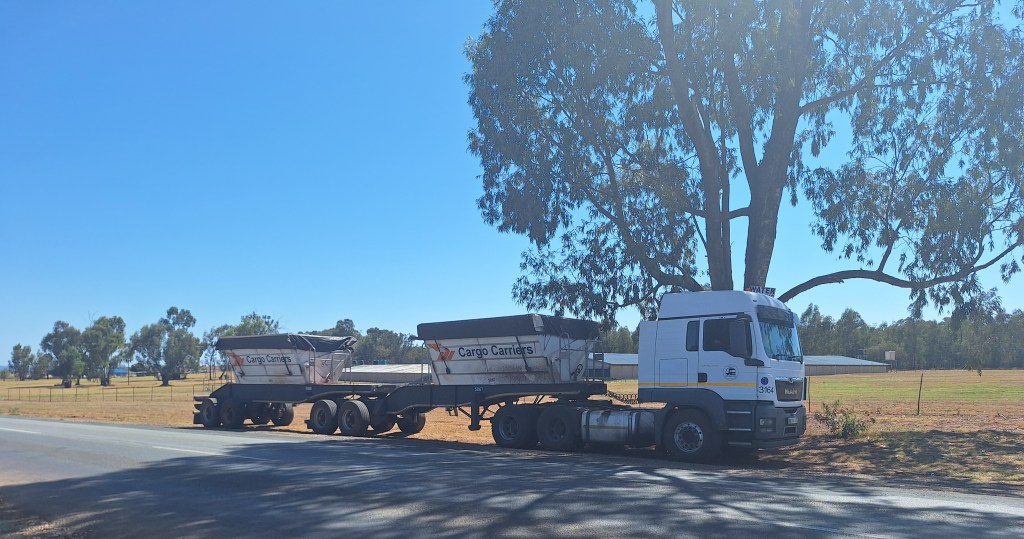
Developing markets, particularly in Africa are confronted with multiple challenges including a lack of adequate infrastructure, fluctuating exchange rates, unstable inflation, shifting consumer demand, regulatory complexities and resource limitations. To address these unique challenges, businesses must implement innovative supply chain strategies that build resilience and ensure sustainability.
In this article, we present some innovative supply chain strategies tailored to African economies.
LOCAL SOURCING AND SUPPLIER DEVELOPMENT
Have you ever heard the saying “local supply chain is strength”? If not, think about how you felt when the then head of the African Union, Macky Sall told the Russian president that hungry Africans are victims of the conflict in Ukraine instead of encouraging African countries to increase their food production to reduce reliance on imports from outside Africa. Certainly, it didn’t feel good right?
Yes, a local supply chain is a source of strength because it improves resilience, reduces costs and supports local economies. Developing local suppliers of goods and services is a strategy that can reduce lead times, mitigate exchange rate fluctuations and boost local economies.
This strategy can be implemented through supplier development programs by partnering with local suppliers to improve their abilities, quality and ensure compliance.
Case Study
In Nigeria, Nestle implemented a local sourcing program for raw materials like maize and cassava, reducing its reliance on imports while providing sustainable income for farmers and local communities.
LEVERAGING DIGITAL PLATFORMS AND E-COMMERCE
Digitalization is an inevitable trend shaping our present and future. It is changing the nature of work by automating routine tasks, streamlining processes and enabling data-backed decisions. E-commerce provides a broader network for connecting with suppliers. Leveraging digital platforms is necessary to address the challenges of doing business in Africa.
Implement digital solutions to enhance procurement processes, increase transparency, reduce costs and enhance supplier management. In logistics management, GPS technology can streamline operations and enrich customer experience by providing real-time tracking services.
Case Study
In Kenya, Twiga Foods uses a mobile technology platform to connect farmers with retailers, reducing post-harvest losses and making food distribution efficient.
CIRCULAR ECONOMY AND SUSTAINABILITY
Sustainability is simply good business because it provides several benefits. By embracing this strategy, you show commitment to your business, the environment and society. The benefits include enhancing brand reputation, boosting customer loyalty, improving investor confidence and ensuring compliance with regulations.
Integrate circular economy practices to reduce waste, use recyclable materials and find alternative uses for by-products. Source materials from suppliers committed to sustainable practices like afforestation, protection of water bodies and the elimination of forced labour.
Waste reduction initiatives such as energy recovery from organic waste and closed-loop supply chains for products and packaging materials can be useful. Conduct regular supplier audits to ensure compliance with environmental regulations, ethical standards and labour laws.
Caste Study
Unilever South Africa keeps a standard of zero non-hazardous waste to landfill sites from its factories by designing action plans for reuse, recycling or recovery.
BUILD STRATEGIC RELATIONSHIPS
Building strong relationships with your suppliers is another pathway to addressing the unique challenges of developing markets. Look beyond the low prices and consider the holistic value of strategic relationships. Such relationships allow for value creation and capture through better contract terms, reliable delivery, improved commitment and quality. Collaborative relationships provide access to expert knowledge and resources of suppliers to boost innovation and manage supply chain risk.
Build collaborative relationships to gain access to recent technology, share knowledge, manage risk and boost market reach. These will ultimately improve competitive advantage. Join industry associations and form strategic alliances that influence policy and address shared challenges.
Case Study
The African Continental Free Trade Area (AfCFTA) is a strategic partnership aimed at liberalizing and encouraging intra-Africa trade by reducing trade barriers and promoting regional integration.
INNOVATION IN LAST-MILE DELIVERY
With the boom in e-commerce and the expected growth in Africa, developing innovative solutions to address the hurdles of urban congestion and the lack of adequate infrastructure is imperative. Strategies should encourage flexibility and adaptability in meeting market demands. Fast and efficient delivery is a deal breaker for online shoppers. Kibo commerce reported that 63% of online shoppers consider delivery speed a vital factor in buying decisions. Invest in alternative delivery methods such as bike couriers, bicycles, mobile pick-up points, drones and crowdsourcing to ensure fast and reliable services.
Develop flexible last-mile delivery solutions that improve customer experience and reach underserved areas. Establish fulfilment centers closer to customers to reduce lead times and use innovative technologies to navigate urban congestion and access hard-to-reach areas.
Case Study
Zipline uses an autonomous delivery system and specializes in on-demand drone delivery to deliver medical supplies to remote areas in Ghana and Rwanda. This drastically reduces lead times and improves customer experience.
LEAN OPERATIONS
Demand fluctuations experienced in developing markets make it imperative to optimize operations to meet the specific needs of customers. Implementing lean supply chain operations such as Just-In-Time inventory management enables businesses to overcome this hurdle. Lean operations ensure excess inventory is not kept and resources are used only to meet immediate demand. This strategy ultimately allows for improved flexibility and adaptability in meeting the fluctuating market demands. It also supports efficient cash flow management and resource allocation.
Use value stream mapping to find and cut non-value-adding activities in your supply chain. Align inventory levels with actual market demand to minimize carrying costs and reduce the risk of stock obsolescence.
Case Study
Ethiopian Airlines implemented lean principles in its maintenance, repair and operations to optimize plane scheduling and reduce downtime. This increased the airline’s operational efficiency, reduced maintenance costs and improved fleet availability.
INVESTMENT IN INFRASTRUCTURE AND TECHNOLOGY
Infrastructure and technology form an integral part of the foundation for achieving supply chain success. Developing markets lack adequate infrastructure such as roads, ports, railways and telecommunications. This hinders the effective transportation of goods across the continent and results in undesired outcomes such as post-harvest losses, long transit times and high maintenance costs from frequent vehicle breakdowns. It is important to partner with government agencies and institutions to improve transport and logistics infrastructure for efficient operations. Adopting emerging technologies such as artificial intelligence enables businesses to overcome market challenges through demand forecasting and studying market sentiments. Technologies such as drones can be used to reduce delivery lead times and enrich customer experiences.
Partner with other institutions that can influence public investment in transport infrastructure such as ports, railways and roads. Adopt GPS technology to provide real-time tracking and monitor the movement of goods. Use digital platforms such as CargoX and Lori systems to streamline and effectively manage logistics operations.
Case Study
The Ethiopian government partnered with the Chinese and Djibouti governments to develop the Addis Ababa-Djibouti Railway. This infrastructure improved cargo movement between the industrial zones of Ethiopia and the port of Djibouti.
CONCLUSION
Businesses working in developing markets need to adopt innovative supply chain strategies to navigate market complexities, build resilience, ensure sustainability and capitalize on growth opportunities. Given the rapid growth of these markets and future expectations, it is imperative to focus on adopting these strategies to unlock long-term value.
Featured image source: Author
 AfriChain Insights
Leave a comment