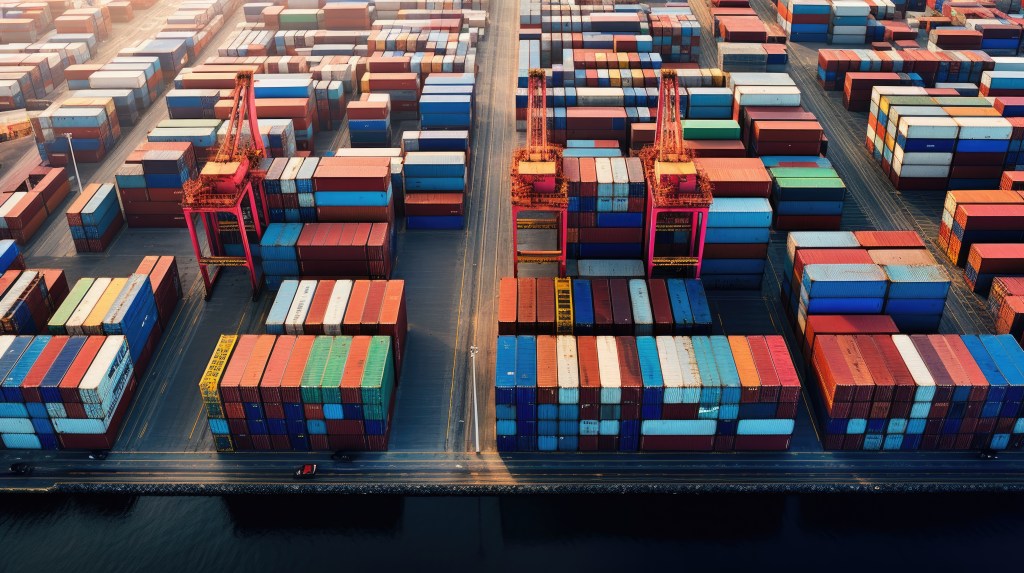
Due to globalization, modern businesses rely on complex supply chains that span multiple countries and regions to access cheaper raw materials and labour, modern technology, and more attractive markets. This phenomenon has been driven by increased trade integration and improved collaboration amongst countries and regional bodies. International bodies like the World Trade Organization have actively promoted the elimination of tariff and non-tariff barriers in trade to encourage more cooperation between countries to achieve economic development.
Recent tariffs and trade wars between global powers like the United States, China, and the European Union amongst others pose significant challenges to these supply chains, causing disruption, increasing cost, and increased uncertainty, forcing businesses across the globe to rethink their supply chain strategies to ensure reliability and efficiency. In this article, we explore the implications of tariffs and trade wars on African supply chains and provide some mitigating measures businesses can adopt to remain competitive.
Understanding Tariffs and Trade Wars
Tariffs are taxes on imported goods, typically to protect domestic industries, raise revenue, or respond to unfair trade practices. Trade wars are when countries engage in retaliatory tariff imposition, leading to escalating trade restrictions.
In 2025, major world powers introduced new tariffs due to drug trafficking issues, trade imbalances, and retaliatory measures. Some of these recent tariffs are:
- The United States announced a 25% tariff on all steel and aluminum imports from across the world. The tariffs were initially targeted at Canada, Mexico, and China, with President Donald Trump accusing these countries of not doing enough to stop illegal migration and drug trafficking.
Source: (BBC, 2025)
- European Union imposed tariffs on electric vehicles from China after an anti-subsidy investigation. 17% for BYD, 18.8% for Geely, and 35.3% for SAIC on top of the 10% standard car import duty.
Source: (Reuters, 2025)
- Canada introduced retaliatory taxes on $30 billion worth of US goods including wines, apparel, footwear, cosmetics, motorcycles, and appliances. Additional 25% tariffs were imposed on $12.6 billion and $3 billion worth of steel and aluminum products imported from the US, respectively. Furthermore, $14.2 billion worth of products including computers, sports equipment, and cast-iron products are all affected by the 25% tariffs.
Source: (Department of Finance Canada, 2025)
- China announced retaliatory tariffs of 10-15% hike in import duties on US agricultural and food products. Additionally, they placed 25 US companies under export and investment restrictions.
Source: (Reuters, 2025)
How Tariffs Impact Supply Chains
- Increased Cost and Price Instability
Tariffs add directly to the cost of imported products, increasing the cost of doing business and affecting pricing strategies. This creates an unpredictable environment for businesses and consumers pay higher prices for products.
- Supply Chain Disruptions
Tariffs may induce the realignment of global trade with some countries seeking alternative markets or imposing retaliatory restrictions. This limits access to essential products like raw materials, components, and finished goods, contributing to supply shortages and delays.
- Shifts in Sourcing and Offshoring
The imposition of tariffs encourages some businesses to reconsider their sourcing strategies to mitigate impacts. In some cases, operations can be moved from one location to another to bypass tariffs.
- Increased Compliance and Regulatory Burdens
Tariffs impact supply chains by increasing regulatory requirements and compliance burdens. Global trade is subject to a complex set of requirements and documentation including export controls, country of origin rules, and customs procedures.
- Strained Supplier Relationships
Tariffs challenge long-standing relationships between suppliers and buyers. Buyers facing tariffs may seek new supply sources and suppliers may demand price adjustments, challenging the stability of long-term relationships.
Implications for African Supply Chains
- Manufacturing Opportunities for Economic Growth
Africa could attract foreign direct investments in manufacturing and value-added industries as some companies seek alternative sources away from regions imposed with tariffs and trade restrictions. Countries with political stability and established special economic zones like Ghana’s free zones enclave, and Ethiopia’s industrial parks stand to benefit. These can go a long way in supporting Africa’s industrialization agenda.
- Export Disruptions
Several African economies are heavily reliant on primary production and the export of raw materials such as agricultural products and minerals. Demand for these products could slow down, impacting economic growth and government revenues.
- Logistics Challenges
Trade restrictions and tariffs result in increased customs and regulatory scrutiny which can lead to port congestion and logistics delays. Due to globalization, several supply chains transcend multiple regions including African countries and the ripple effects of these delays can be experienced along these trade lines.
- Increased Cost of Imported Products
African countries rely heavily on imported products and machinery due to a focus on primary production and a low level of industrialization. Tariffs and restrictions imposed on trade partners may raise their business costs and impact their pricing strategies.
Strategies to Mitigate Risks
To mitigate the effects of these tariffs and trade wars, businesses must be proactive with their supply chain strategies. These strategies can be used to minimize the uncertainties.
1. Embrace Supplier Diversity
Minimize dependency on single sources or countries. Introduce multiple sources across various regions and strengthen relationships to enhance reliability. Focusing on sources within Africa may prove to be more flexible.
2. Enhance Supply Chain Visibility
Supply chain visibility is essential in these times. It is not enough to focus on tier 1 suppliers but to go beyond them to properly understand your supply chain. Technologies like blockchain, artificial intelligence, and real-time tracking can improve transparency and help anticipate disruptions.
3. Take advantage of Regional Agreements
Regional economic blocks like ECOWAS, EAC, SADC, and AfCFTA offer unique opportunities for market expansion and product sourcing. Intra-regional trade can help reduce dependence on external markets and minimize exposure to trade wars and tariffs.
4. Strategic Tariff Engineering
Country of origin rules play a significant role in international trade. Most tariffs are targeted at certain countries or products so they can be legally engineered through product reclassification, component sourcing adjustment, or changing production processes to lower tariff obligations.
5. Boost Industrialization and Manufacturing Capabilities
Investing in value addition and manufacturing will be crucial. As these tariffs and trade wars are implemented, the cost of imports is expected to rise and demand for African exports may decline. Manufacturing will create a market for Africa’s raw materials serving the needs of its people by providing semi-finished or finished products and reducing vulnerability to external trade shocks.
Conclusion
In an era of geopolitical uncertainty, trade wars and tariffs pose significant challenges to the stability of global supply chains. These challenges have resulted in the rising cost of doing business and altered global trade patterns. Despite the unpleasant effects, they also present opportunities for strengthening regional trade, investment, and sustainable growth. Companies must proactively deal with these challenges by adopting resilient supply chain strategies and investing in local value chains.
References
Department of Finance Canada. (2025, March 24). Canada’s response to U.S. tariffs on Canadian goods. Retrieved from Government of Canada: https://www.canada.ca/en/department-finance/programs/international-trade-finance-policy/canadas-response-us-tariffs.html
Reuters. (2025, January 24). Chinese EV makers file challenges to tariffs at EU court. Retrieved from Reuters: https://www.reuters.com/business/autos-transportation/chinese-ev-makers-file-challenges-tariffs-eu-court-2025-01-23/
BBC. (2025, March 13). What are tariffs and why is Trump using them? Retrieved from BBC: https://www.bbc.com/news/articles/cn93e12rypgo
Reuters. (2025, March 4). China to impose extra tariffs of 10%-15% on various US farm products. Retrieved from Reuters: https://www.reuters.com/world/china/china-impose-extra-tariffs-10-15-various-us-products-2025-03-04/
Featured image source: vecteezy.com
 AfriChain Insights
Leave a comment